Preparing for the Unpredictable: How to Navigate Crises with Confidence Building


Resilient Communications Through Strategy, Training, and Insight
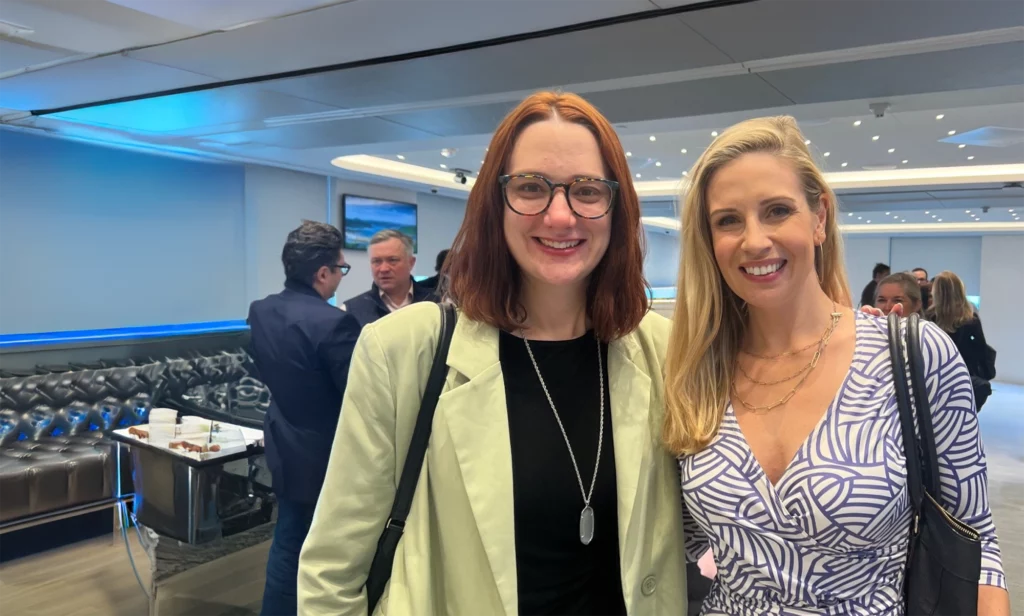
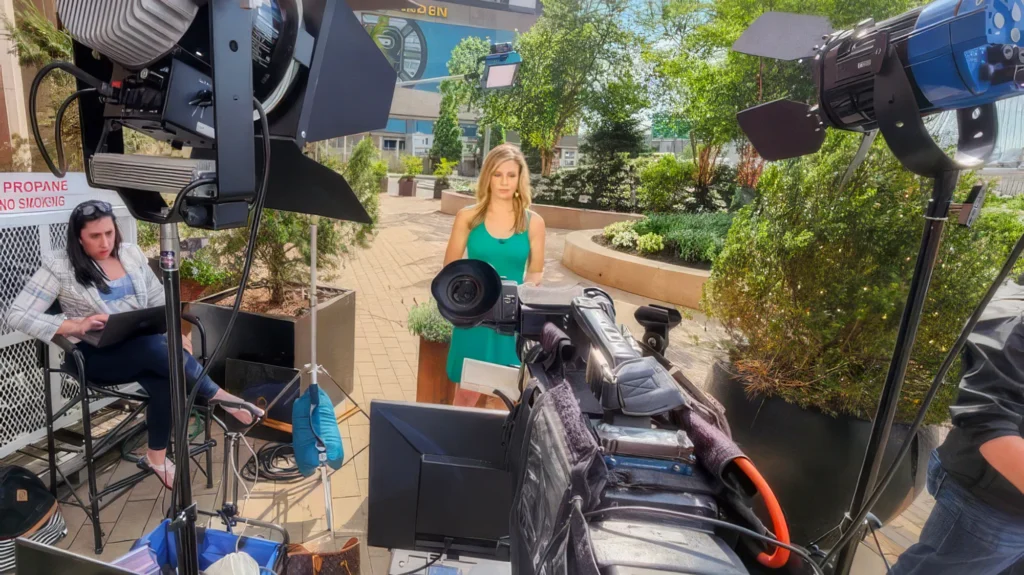
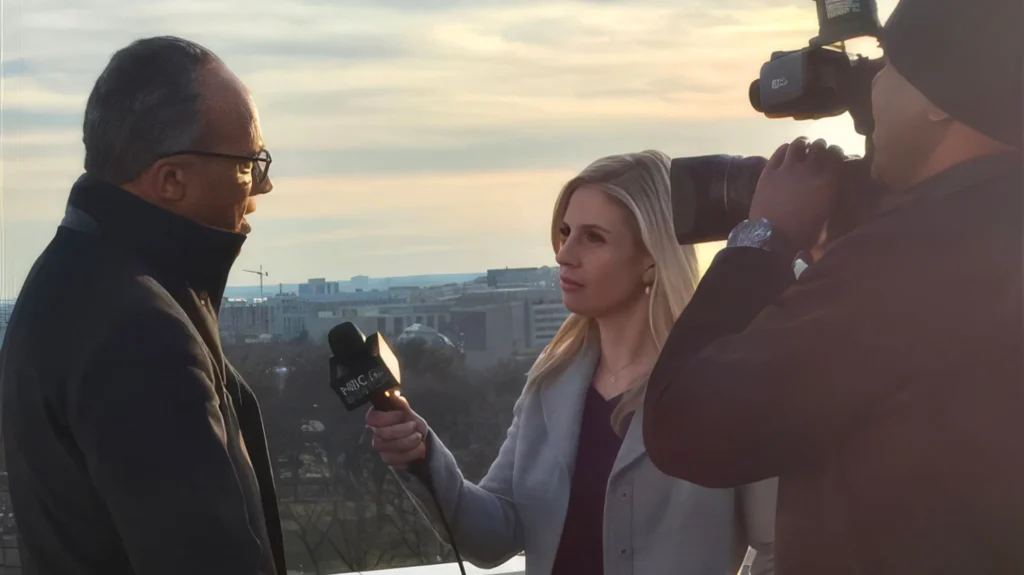
Nickerson’s Director of PR and Media Relations, Shannon Mulaire, former NBC News anchor, brings a wealth of expertise in navigating complex communications challenges. In this blog, she shares her insights on planning for crisis, training teams to respond effectively under pressure, and understanding how audiences and channels shape the way messages are received. Drawing on years of experience in high-stakes media environments, Mulaire offers practical guidance for organizations looking to build resilience, maintain trust, and communicate with clarity when it matters most.
Crisis PR Can’t Be an Afterthought in 2026
As companies look ahead to 2026 planning, crisis communications can’t live in a dusty binder that only comes off the shelf when something goes wrong.
The most effective crisis strategies are built long before a headline hits. These plans don’t just anticipate what might happen, they define who needs to hear from you, how these audiences will be informed, and when. These strategies account for the speed at which information moves today, and the reality that trust is shaped in real time, not after the fact.

Too often, organizations focus narrowly on drafting an external press statement and assume that’s enough. In reality, the moments that determine credibility usually happen elsewhere.”
— Shannon Mulaire, Director of PR and Media Relations, Nickerson
1. Internal, tenant, and employee communications
Your internal and frontline audiences will hear the news first. If they don’t hear it from you, they’ll hear it somewhere else, through social media, rumors, or third-hand reporting. Clear, timely internal communication isn’t just a courtesy; it’s a trust imperative. Employees and tenants are your most visible ambassadors during a crisis, whether you intend them to be or not.
2. Social media and reputation management
Crises no longer unfold quietly or sequentially. Incidents happen publicly, instantly, and across platforms. Monitoring, response protocols, escalation paths, and tone matter just as much as the message itself. Silence can speak louder than words, and the wrong tone can escalate an issue faster than any headline.
3. Media relations
Strong media relationships aren’t built during a crisis. Relationships are built months and years before the crisis hits. When reporters know your organization, understand your leadership, and trust your responsiveness, coverage is more likely to be informed rather than speculative. Preparation allows you to be proactive instead of purely reactive.
4. Legal alignment
The strongest crisis responses happen when legal and communications teams are aligned before an issue arises. Accuracy matters, but so does clarity. The goal isn’t to choose between protecting the organization and maintaining credibility. With planning, you can do both. You should do both.
5. Scenario planning and spokesperson readiness
Pressure reveals preparation. Knowing who speaks, how they show up, and what authority they carry is essential. Roles and responsibilities need to be outlined prior to an incident taking place, and team members often need a quick plan to reference and point of contact in these high-stakes moments when the pressure is building. As important as communication is, it is equally crucial for team members to know and recognize when it is not their role to comment or give directives. For leadership -spokesperson training and scenario planning reduces hesitation, prevents mixed messages, and helps senior leaders communicate with confidence when it matters most.
At its core, crisis PR isn’t about damage control
It’s about leadership, clarity, and credibility in moments that define how your organization is perceived long after the issue itself fades.
As you plan for 2026, this is the moment to move from reactive to ready-to treat crisis communications as a strategic discipline, not an emergency response.
The best crisis strategy is the one you never have to scramble to build.

Shannon Mulaire
Director, PR & Media Relations
Nickerson
Shannon Mulaire is the Director of PR & Media Relations at Nickerson and a Murrow Award-winning former news anchor with over 15 years of experience in the media industry. Mulaire’s mission is to help clients achieve their goals by developing and executing strategic communications programs that leverage media sources, social media platforms, and creative storytelling techniques.